People have always raised kids. But the word “parenting” only became popular in the 1970s. This change made it seem like parenting was a skill you could perfect. The idea was: if you do everything right, your child will be happy and successful. Today, the parenting advice industry is huge. By 2030, parenting apps alone will be worth over $900 million. That doesn’t even count books, classes, and activities.
Social media has changed parenting advice too. Instagram and TikTok are full of parenting influencers selling courses to tired, stressed parents. But many tips from these self-called “experts” aren’t backed by science. They use scientific words like “attachment” from attachment theory, but their advice often gets the science wrong.
What is Gentle Parenting?
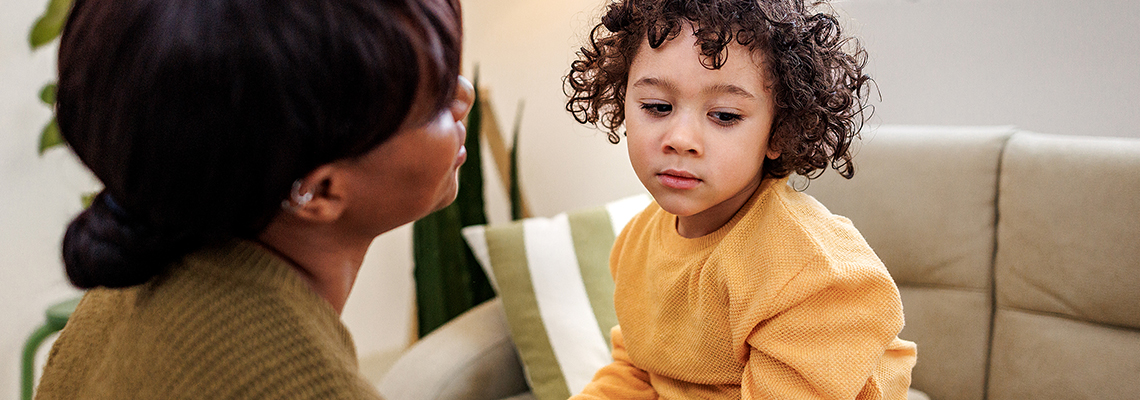
Let’s talk about one popular approach: “gentle parenting.” Gentle parenting sounds great. It focuses on understanding your child’s feelings, building a warm relationship, and letting kids feel their “big feelings.” Some gentle parenting advice is good. Research supports ideas like naming emotions and spending 5-10 minutes of focused play time with your child each day.
But influencers also give long lists of things parents should never do. They say certain strategies are “harmful”—like saying “good job” or giving consequences when kids don’t listen. The truth? Many of these “no nos” are not only safe, but are actually effective according to research.
The Problem with Discipline Advice
Gentle parenting influencers often share exact words parents can say when their child misbehaves or acts aggressively. These scripts can work. But many times—they don’t. Influencers don’t give much help for what to do when the bad behavior continues or gets worse.
One effective strategy for discipline is time-out. Influencers claim that time out doesn’t work and can even traumatize children. They incorrectly use “attachment theory” to say that time out can make children feel abandoned and damage the parent-child relationship.
This is simply wrong. Lots of research shows that time-out is safe and it works. Parents don’t have to choose between having a warm relationship with their kids and using techniques to help kids behave. They can have both! Studies show that children who experienced properly done time-outs actually had better mental health and better relationships with their parents compared to children who did not use time-outs.
How to Use Time-Out Correctly
Time-out can be effective to help children learn how to follow directions. For example, if you tell your child to put away their toys, and they won’t listen- you can use time-out as a consequence for not listening. Time-outs can also be used to stop unsafe behaviors like hitting siblings. Here are the rules for effective time-outs:
- Use time-out when you already have a warm, supportive relationship with your child.
- Time-out means taking a break from fun things, including toys and parent attention.
- Keep time-outs short—about 3 minutes—no matter how old your child is.
- After time-out, make sure child does whatever you originally asked (like putting on shoes).
What About Time-In?
Gentle parenting influencers suggest taking a “time-in” instead of a “time out”. During a time-in, parents spend extra time with their child to help them calm down and feel better. Time-in can be an excellent choice when a child is upset because they’re tired, hurt, or disappointed.
But when used for problem behaviors—like hitting a parent—time-in might actually make the behavior worse. It can reward the bad behavior instead of teaching the child to listen, cooperate, and be safe. For teaching these skills, time-out can be a helpful tool.
The Bottom Line
When choosing what parenting practices to follow, look for advice that fits your situation, your child, and your personality. There’s no one easy solution that works for everyone. If gentle parenting is working for you and your family, that’s great! But if you notice it’s not working, or you feel stressed and confused by the advice, it’s okay to try something different. Ideally, it’s best to use information that comes from science-based sources.
Parents don’t need to feel guilty when they use a full toolbox of evidence-based strategies. You’re not harming your child by using methods—like time out—that science shows actually work.
Miya Barnett is a professor of Clinical and Counseling Psychology at University of California Santa Barbara, and runs the Parent Child Interaction Therapy Clinic. Zoe Liberman is a professor of Psychological & Brain Sciences at University of California Santa Barbara, and a Public Voices Fellow of The OpEd Project.
Proper Citation for this blog post:
Barnett, Miya & Liberman, Zoe (May 04, 2026). Parents Deserve a Full Toolbox: The Truth About Gentle Parenting
https://infoaboutkids.org/blog/parents-deserve-a-full-toolbox-the-truth-about-gentle-parenting/